Suspension wear is easy to brush off because it rarely stops the car immediately. Most of the time, the vehicle still starts, still drives, and still gets you where you need to go. The problem is that worn suspension slowly changes how the car behaves in the moments that matter most, like braking hard, avoiding debris, or driving through rain.
If you ignore suspension wear long enough, the symptoms do not stay small. They usually spread into tire problems, steering issues, and uneven braking behavior. Here’s what that timeline tends to look like, and why it’s worth addressing sooner rather than later.
How Suspension Wear Builds Into Bigger Problems
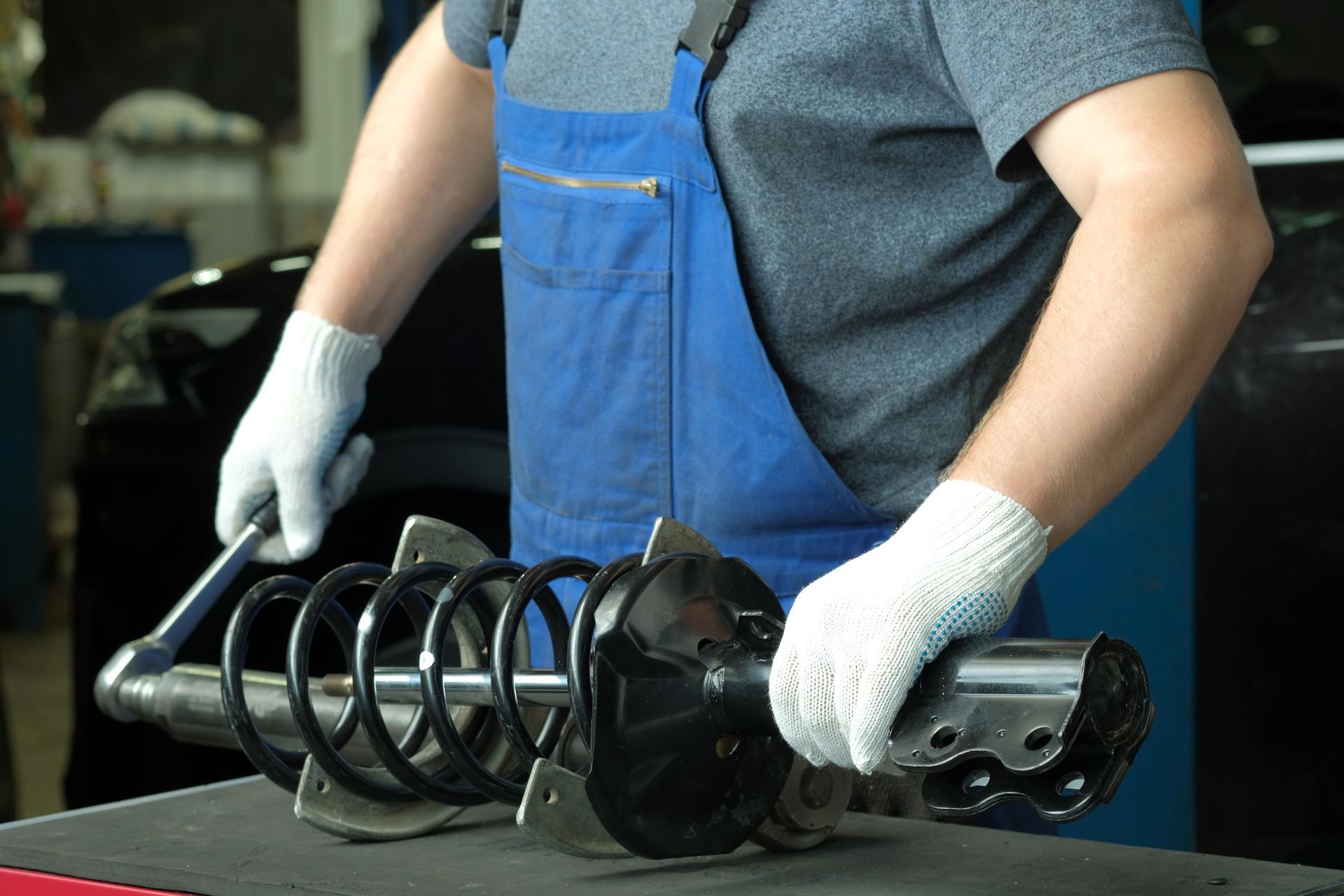
Suspension is a network of parts that hold the wheels in the right position while allowing controlled movement over bumps. When components start to wear, they create extra movement. That extra movement shows up first as small changes in ride and steering feel.
Over time, looseness and weak damping can cause the tires to lose consistent contact with the road on rough surfaces. It can also cause alignment angles to shift under load, which leads to tire wear and unstable handling. Once tire wear begins, it can accelerate quickly, because an uneven tire wears even faster.
Unstable Handling And More Steering Corrections
A worn suspension often makes the vehicle feel less planted, especially at highway speed. You may notice wandering, a need for constant small steering corrections, or a vague feel where the car does not respond as crisply as it used to.
This often comes from worn tie rods, ball joints, control arm bushings, or wheel bearings. Even if the car feels okay in town, higher speeds reveal problems because the forces on the front end increase. If the steering wheel feels loose or the car feels twitchy on uneven pavement, suspension wear is a common cause.
Longer Stopping Distances On Rough Roads
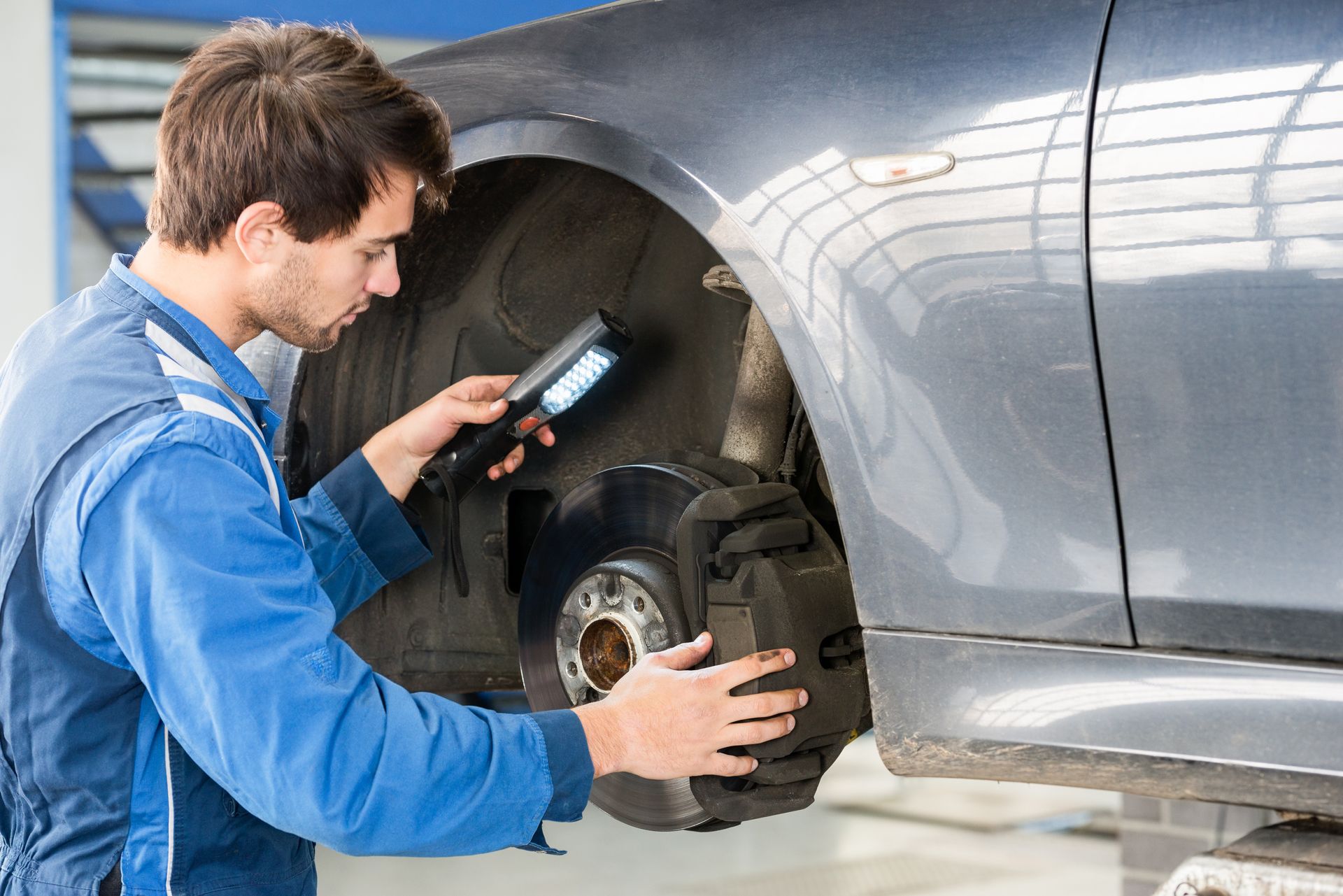
Braking performance is not just about pads and rotors. Suspension helps keep the tires planted and stable under braking. When shocks or struts are weak, the front end can dive more, and the tires can lose consistent traction over bumpy surfaces.
That can increase stopping distance because the tires are not gripping evenly. ABS may also activate more often because the wheels are bouncing slightly instead of staying firmly connected to the road. You may not notice it during gentle stops, but it becomes more obvious during a hard stop or when the road surface is uneven.
Tire Wear That Gets Expensive Fast
Ignoring worn suspension usually shows up in the tires. Uneven wear is one of the clearest warning signs because it proves the tire is not staying at the correct angle or pressure against the road.
Common patterns include inner-edge wear, outer-edge wear, cupping, or feathering. Cupping often points to weak shocks or struts. Feathering often points to toe alignment issues, sometimes made worse by worn steering components. The frustrating part is that you can buy new tires and still ruin them quickly if the worn suspension parts are not corrected first.
We’ve seen drivers replace tires twice in a short span because the root cause was suspension play that kept the alignment from staying stable.
Noises That Grow From Annoying To Constant
Suspension noises rarely stay mild. A light clunk over bumps can turn into a constant knock. A squeak can turn into a groan. Once a bushing is torn or a joint is loose, the movement tends to get worse as miles add up.
Common noise sources include sway bar links, control arm bushings, strut mounts, ball joints, and tie rod ends. The noise itself is not always the biggest problem. It is often a sign that a part is moving in a way it was not designed to, which can lead to more wear on neighboring components.
Vibration And Shaking That Feels Like A Tire Issue
Worn suspension can create vibration that gets mistaken for tire balance issues. A vehicle with loose components can shake at speed, especially on rough pavement or during braking. The reason is that the wheel is not being held steady under load.
If a vibration changes during braking, turning, or acceleration, it often points to more than simple balance. Wheel bearings, bushings, and steering linkage play can all cause vibration patterns that come and go depending on load. This is one reason a repeated balance does not always solve a shake.
When Worn Suspension Turns Into A Safety Risk
The real risk of ignoring suspension wear is that it reduces control when you need it. The vehicle may feel unpredictable in sudden maneuvers. It may feel less stable in heavy rain. Emergency braking may feel less confident on rough roads. In extreme cases, a severely worn joint can separate, which can create an immediate loss of control.
Most people do not drive expecting to make emergency moves. That is exactly why keeping the chassis in good shape matters. You want the car to respond predictably if something unexpected happens.
At Power Automotive, we’ve seen small suspension issues turn into tire failures and braking concerns simply because the early warning signs were ignored. Catching it early keeps the repair smaller and keeps the vehicle safer.
Get Suspension Repair in Santa Clarita, CA, with Power Automotive
We can inspect your suspension and steering components, identify what’s worn, and explain how it’s affecting handling, braking, and tire wear. We’ll focus on the repairs that restore stability and help your tires last, so you’re not chasing symptoms every few months.
Call
Power Automotive in Santa Clarita, CA, to schedule a suspension inspection and repair.