Differentials rarely make the maintenance list until they start to howl or leak. They are tucked away under the vehicle, doing their job every time you pull away from a stop or take a tight corner. When you hear people talk about “differential service,” they are talking about keeping those hidden gears protected so they do not turn into a noisy, expensive repair later on.
What the Differential Actually Does
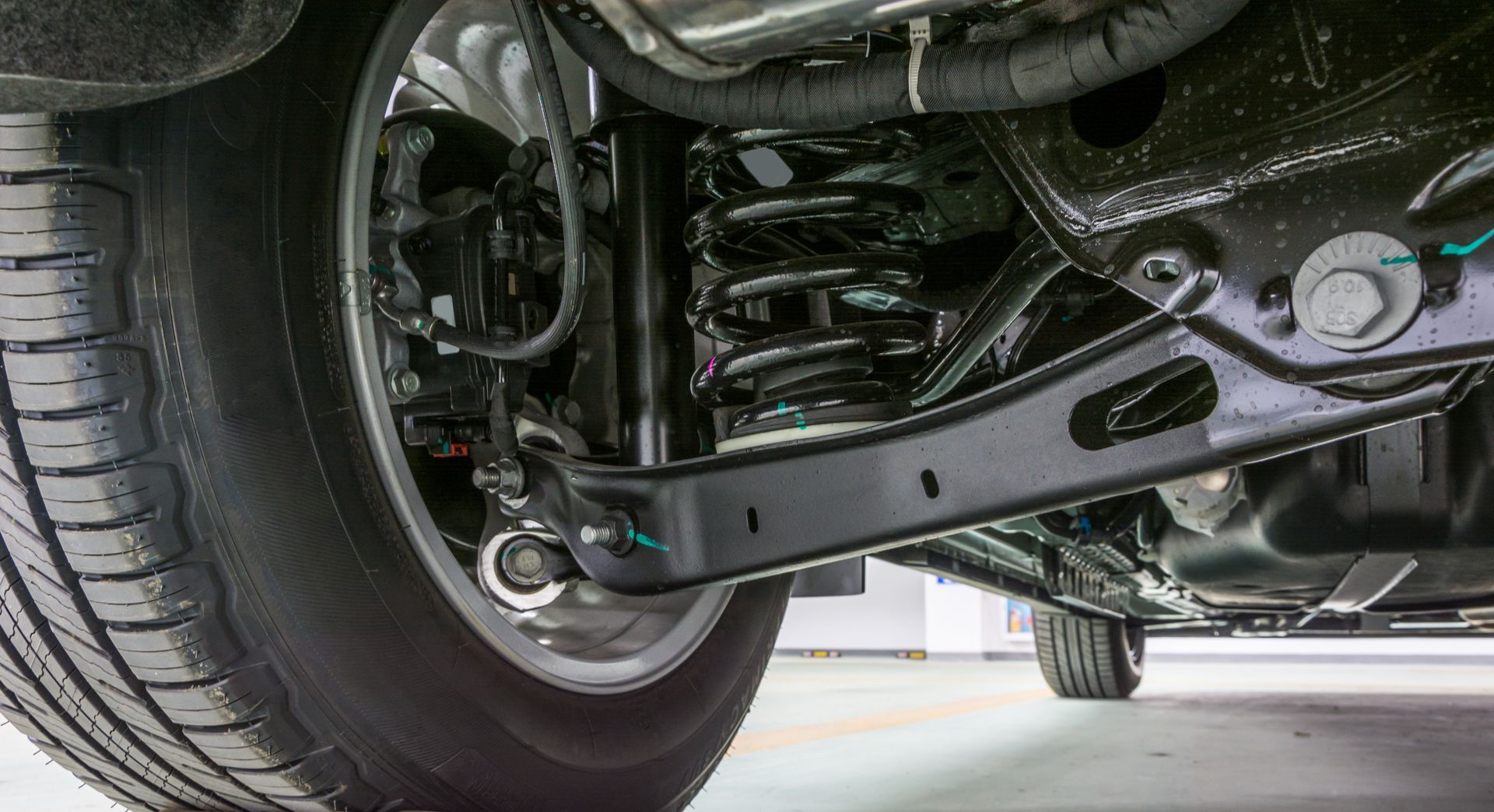
The differential sits between the drive wheels and splits power so the left and right tires can turn at different speeds. That is what lets you steer smoothly through a turn without one tire skipping across the pavement. Inside the housing are ring and pinion gears, side gears, bearings, and sometimes clutches in limited slip or locking units.
All of those parts depend on a steady bath of gear oil. That oil is thicker than engine oil and loaded with additives to handle heavy pressure between gear teeth. As long as the fluid is healthy and at the right level, the gears run quietly for a long time.
What “Differential Service” Includes
Differential service is more than just cracking a plug and dumping fluid. A proper service usually involves:
- Removing the fill or drain plug, or the cover, so the old gear oil can fully drain
- Inspecting the drained fluid and the magnet for metal and debris
- Cleaning the inside of the housing and magnet if the cover is removed
- Resealing the cover or replacing crush washers as needed
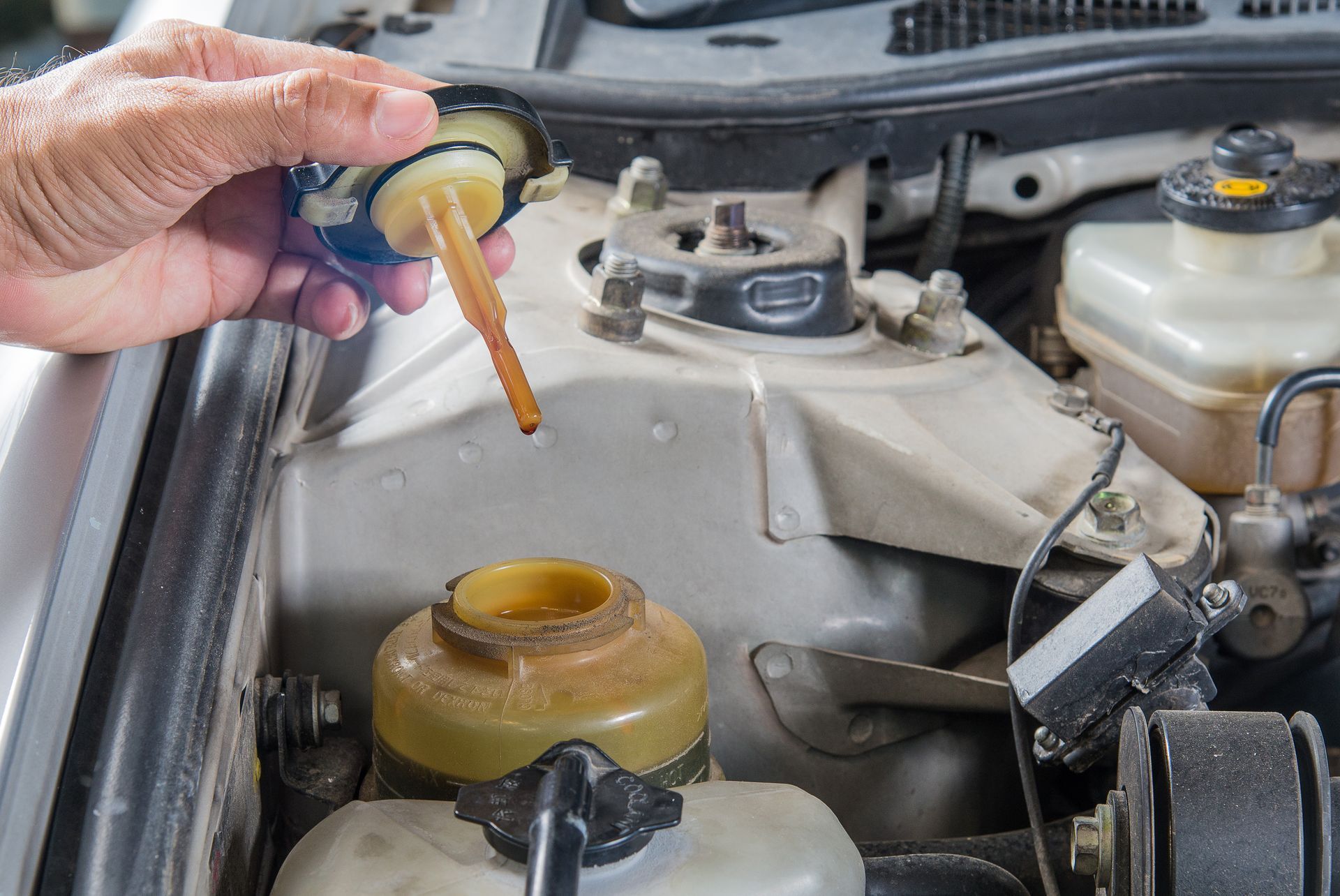
- Refilling with the correct fluid type and quantity, plus any required friction modifiers
We like to see what comes out before we decide what to recommend next. A little fine metal on the magnet is normal; chunks or heavy glitter in burnt fluid are a different story and may call for a closer inspection.
Symptoms Your Differential May Need Attention
Most differential problems start quietly and build over time. Pay attention if you notice:
- A low growl or humming that changes with speed, especially on deceleration
- Whining or howling at highway speeds that was not there before
- Clunks or chatter when turning into a parking space or pulling away from a stop
- Fluid seepage around the differential cover, pinion seal, or axle seals
Those noises do not automatically mean the unit is failing, but they tell you the gears and bearings are not as happy as they used to be. Catching the problem early, while it may still be a fluid and adjustment issue, is much cheaper than waiting until parts are badly worn.
Driving Conditions That Shorten Differential Fluid Life
The interval in the owner’s manual is written for fairly gentle use. Real life often looks different. Conditions that are tough on differential fluid include:
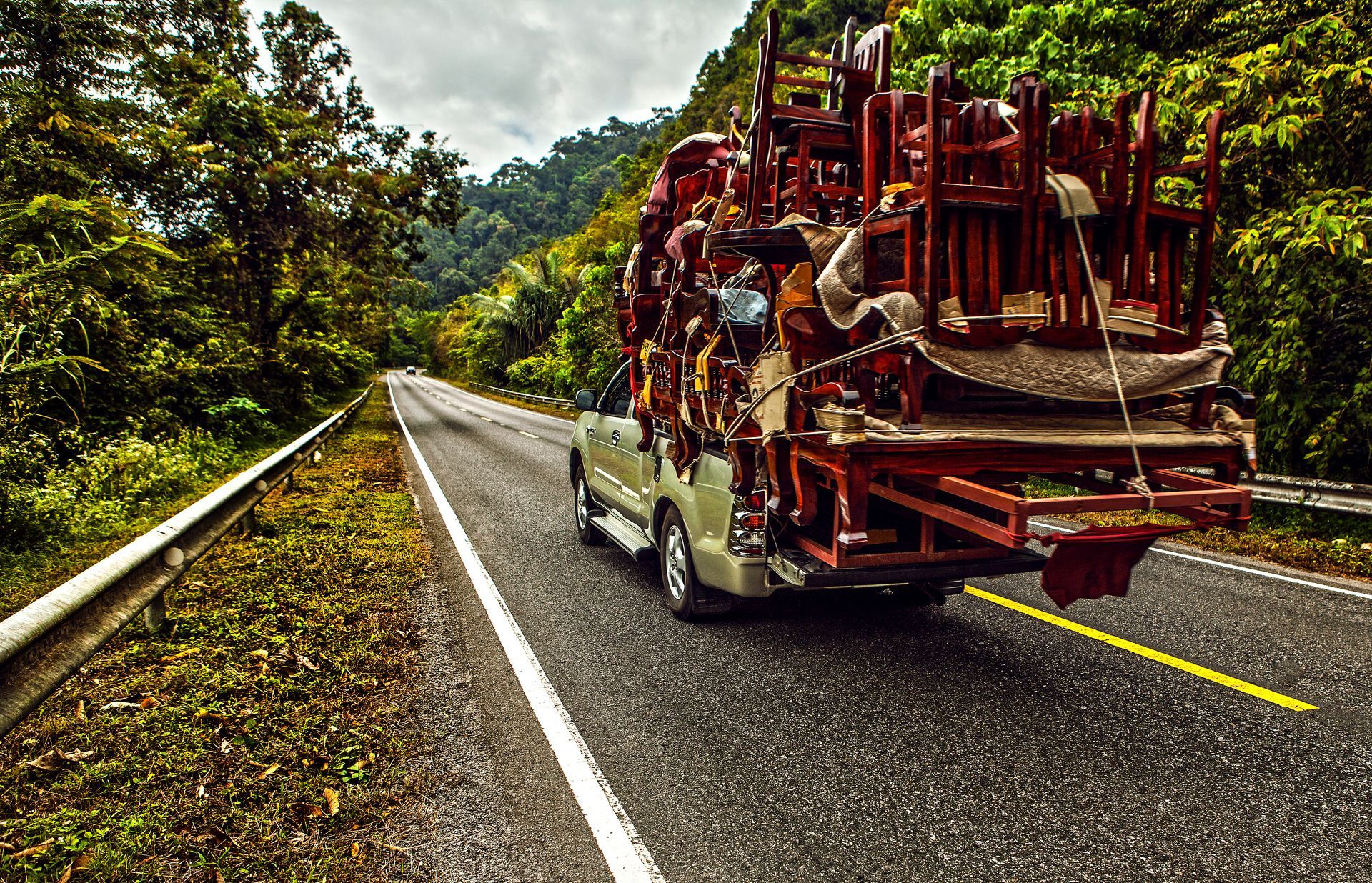
- Frequent towing or hauling heavy loads
- Long highway grades and hot weather
- Stop and go city driving with a lot of heat cycles
- Regular use of four wheel drive, especially off road
- Deep water crossings that can let moisture into the housing
Heat and load break down additives in the oil faster. Water contamination thins the fluid and hurts its protective film. When we talk about service intervals, how you drive matters as much as how many miles are on the odometer.
Owner Mistakes That Wear Differentials Out Early
A few habits quietly chew up differentials before their time:
- Ignoring small leaks and continuing to drive with low fluid level
- Using “universal” gear oil that does not meet the specs for your axle
- Skipping required friction modifiers in limited slip units, which can cause chatter and extra wear
- Never servicing the differential at all because “the factory filled it for life”
We have opened plenty of housings where the fluid looked like tar and the gears were pitted or blue from heat. A simple service years earlier would have been far cheaper than rebuilding or replacing the whole assembly.
How Often You Really Need Differential Service
There is no single mileage number that fits every vehicle, but a practical way to think about it looks like this:
- Light duty use, mostly highway, no towing: often around 60,000 miles for a fluid change
- Mixed use with regular city driving: closer to 40,000 to 50,000 miles
- Heavy use, towing, off road, or steep grades: as often as 30,000 miles, sometimes sooner
Time matters too. Even if you do not reach the mileage mark, fluid that has been in place for many years can still oxidize and accumulate moisture and debris. We usually suggest reviewing differential service any time you are in for major fluids, like transmission or transfer case service, so everything stays on a sensible schedule.
Get Differential Service in Santa Clarita, CA with Power Automotive
If you have started to hear a hum from the rear, seen gear oil seeping, or realized you have never had the differential serviced, this is a good time to take care of it before problems grow. We can inspect for leaks, check fluid condition, and refill with the correct gear oil for how you use your vehicle.
Schedule differential service in Santa Clarita, CA with
Power Automotive, and we will help keep your gears quiet and protected for the long haul.