Most cars don’t fail because of one dramatic event. They wear out early because small habits add heat, friction, and stress to systems that were designed to run within a pretty narrow range. The frustrating part is that many of these habits feel harmless day to day, so drivers keep doing them until the car starts pushing back with noises, warning lights, or expensive repairs.
A little discipline saves a lot of money.
1. Stretching Oil Changes And Running Low
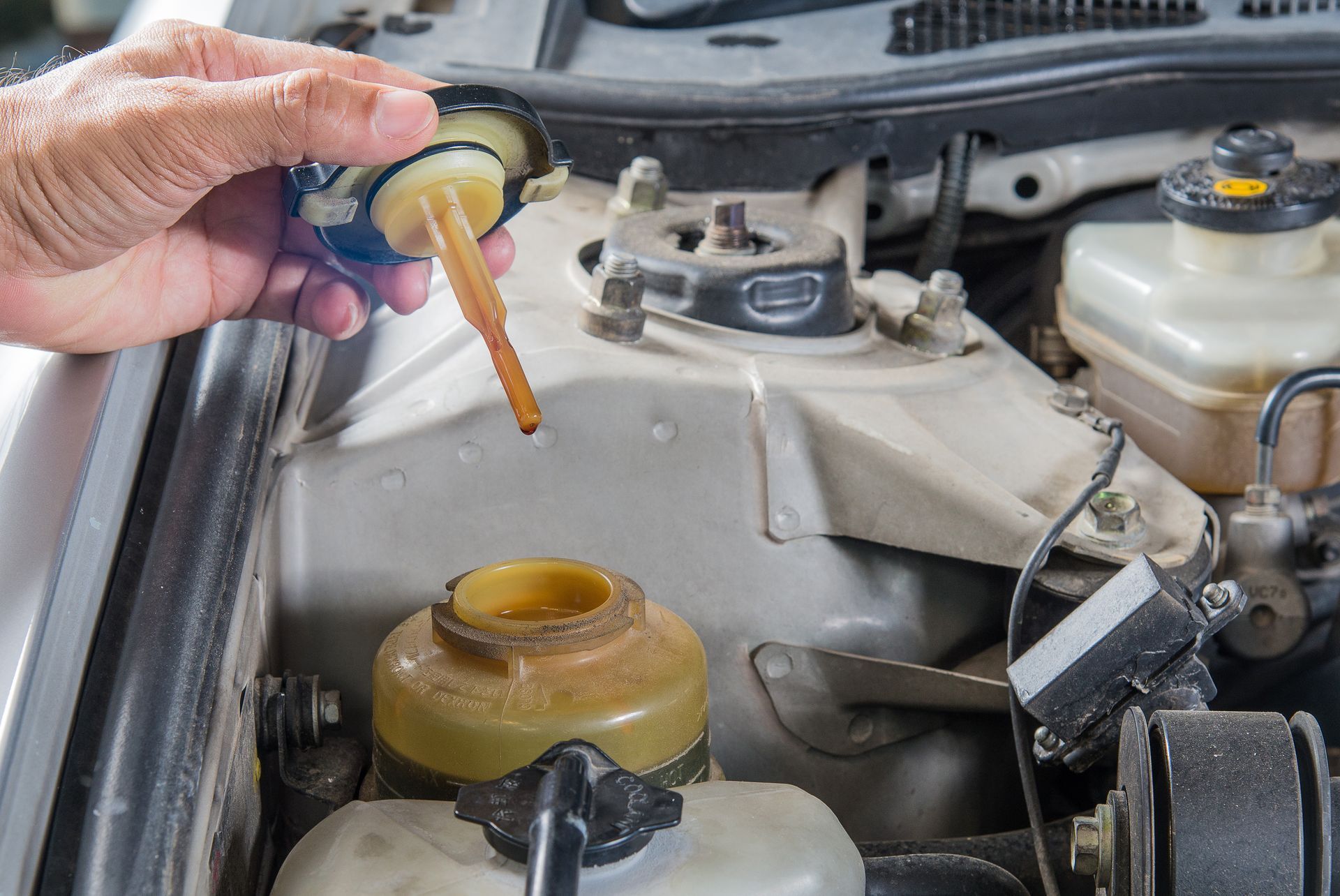
Oil does two jobs at once: it lubricates moving parts, and it carries heat and contaminants away from them. When oil is old, low, or the wrong viscosity, protection drops fast, and wear climbs in the areas you cannot see. By the time you notice ticking, knocking, or low oil pressure, damage is already underway.
Also, plenty of engines burn a little oil as they age, so checking the level between changes matters. Regular maintenance here is simple: use the correct oil, keep it at the proper level, and follow an interval that matches how you drive. If you want one habit that helps almost everything, start here.
2. Ignoring Coolant Loss And Temperature Creep
Coolant doesn’t get used up like fuel, so if the level keeps dropping, there’s a leak or another problem. A small seep at a hose, radiator, water pump, or thermostat housing can look minor until it turns into overheating in traffic. Overheating is one of the fastest ways to turn a manageable repair into a major engine job.
The tricky part is that many drivers never see the gauge spike until it’s too late, especially in cars that hide temperature swings. If you smell coolant, notice crusty residue under the hood, or see the reservoir level trending down, address it promptly. Cooling systems reward early action.
3. Letting Tires Wear Out And Skipping Rotations
Tires are your grip, your braking, and your steering feel, and worn tread changes all three. Underinflation adds heat and kills the shoulders, while overinflation makes the center wear faster and reduces traction on rough pavement. Driving on unevenly worn tires can also create vibration that stresses suspension and steering parts over time.
Rotations matter because they keep wear even, and even wear keeps the car predictable. If you’ve got feathering, cupping, or one edge disappearing early, it usually points to alignment or worn suspension components. Catching that early saves tires and prevents the car from feeling unstable at highway speeds.
4. Driving Past Brake, Steering, And Suspension Warnings
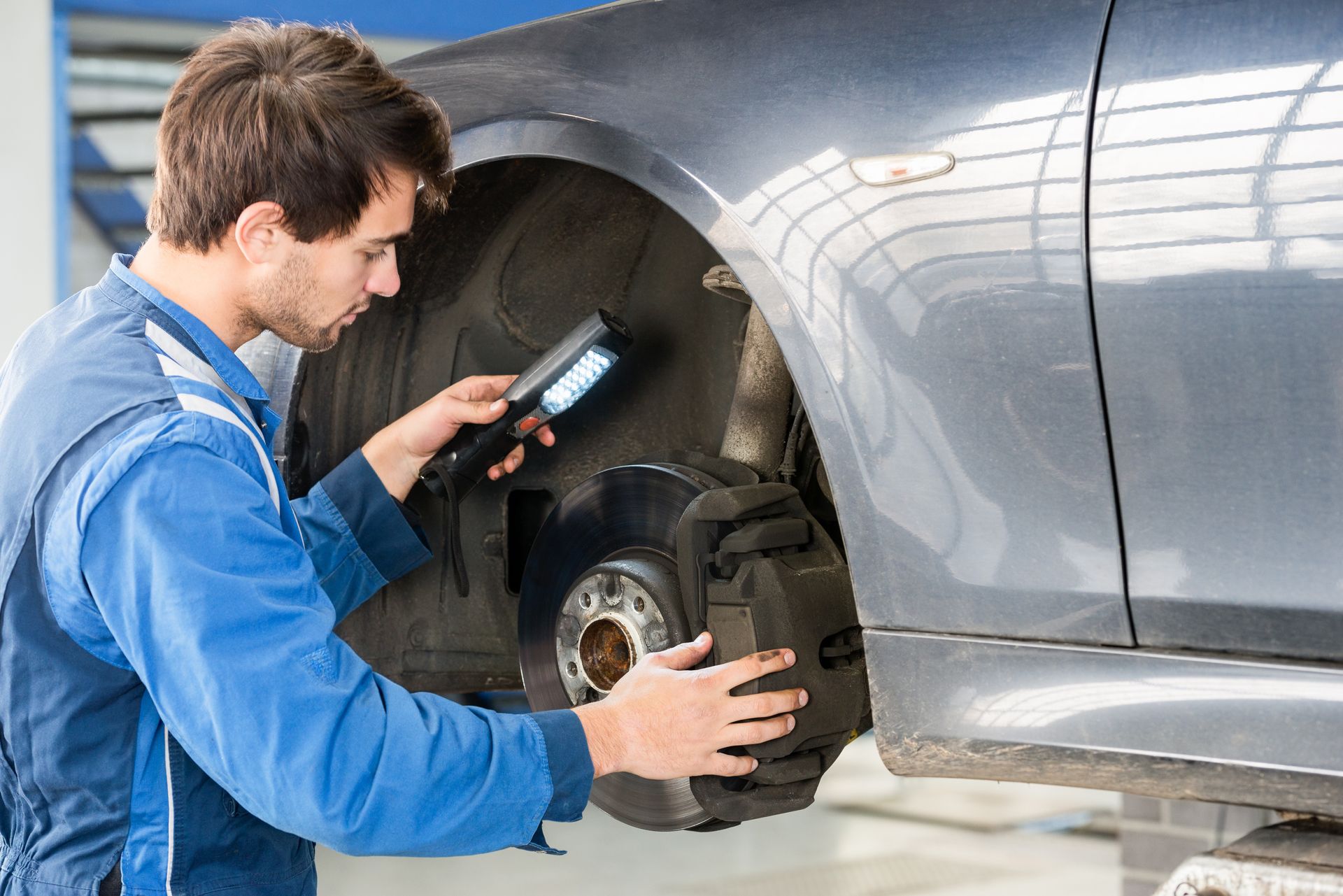
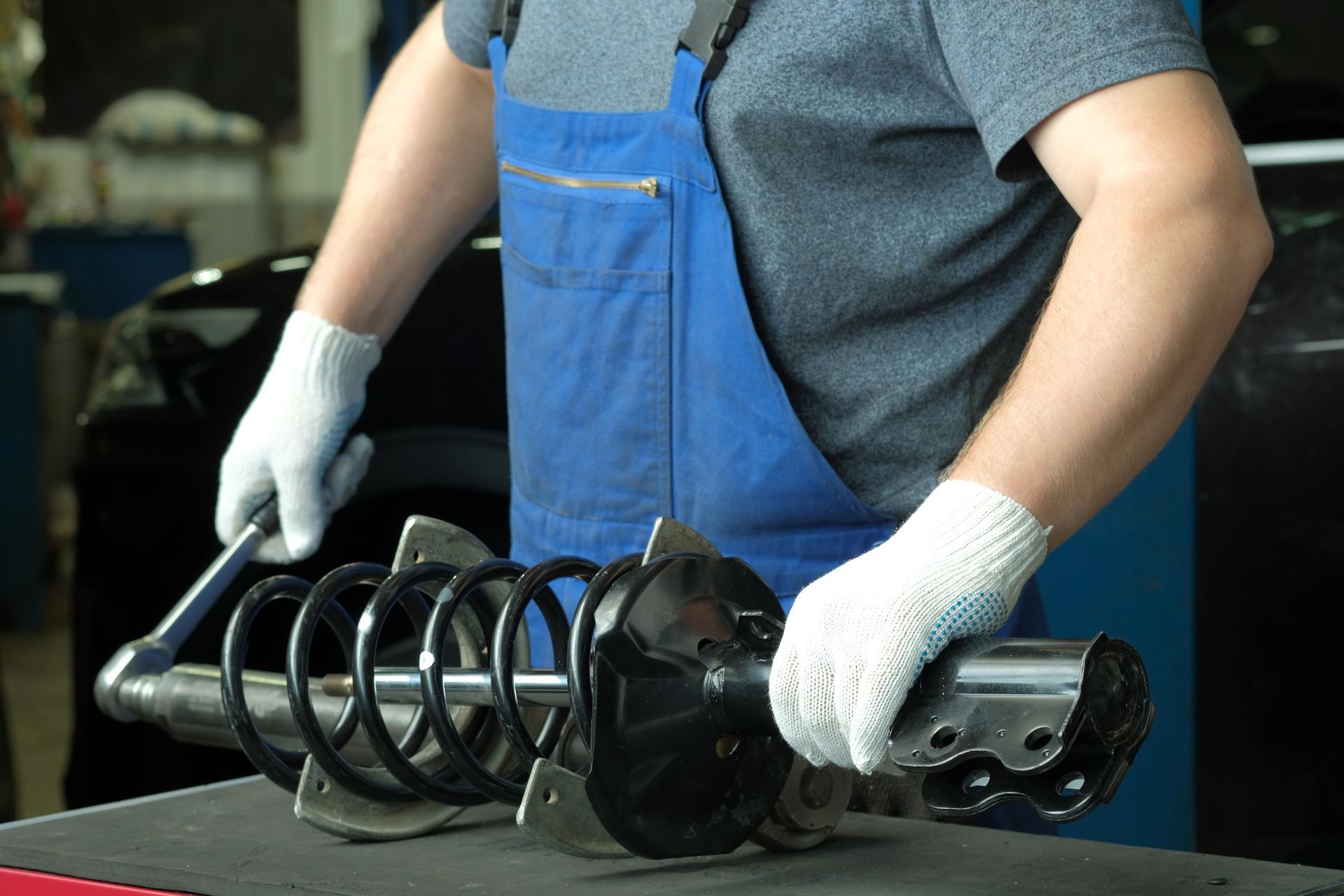
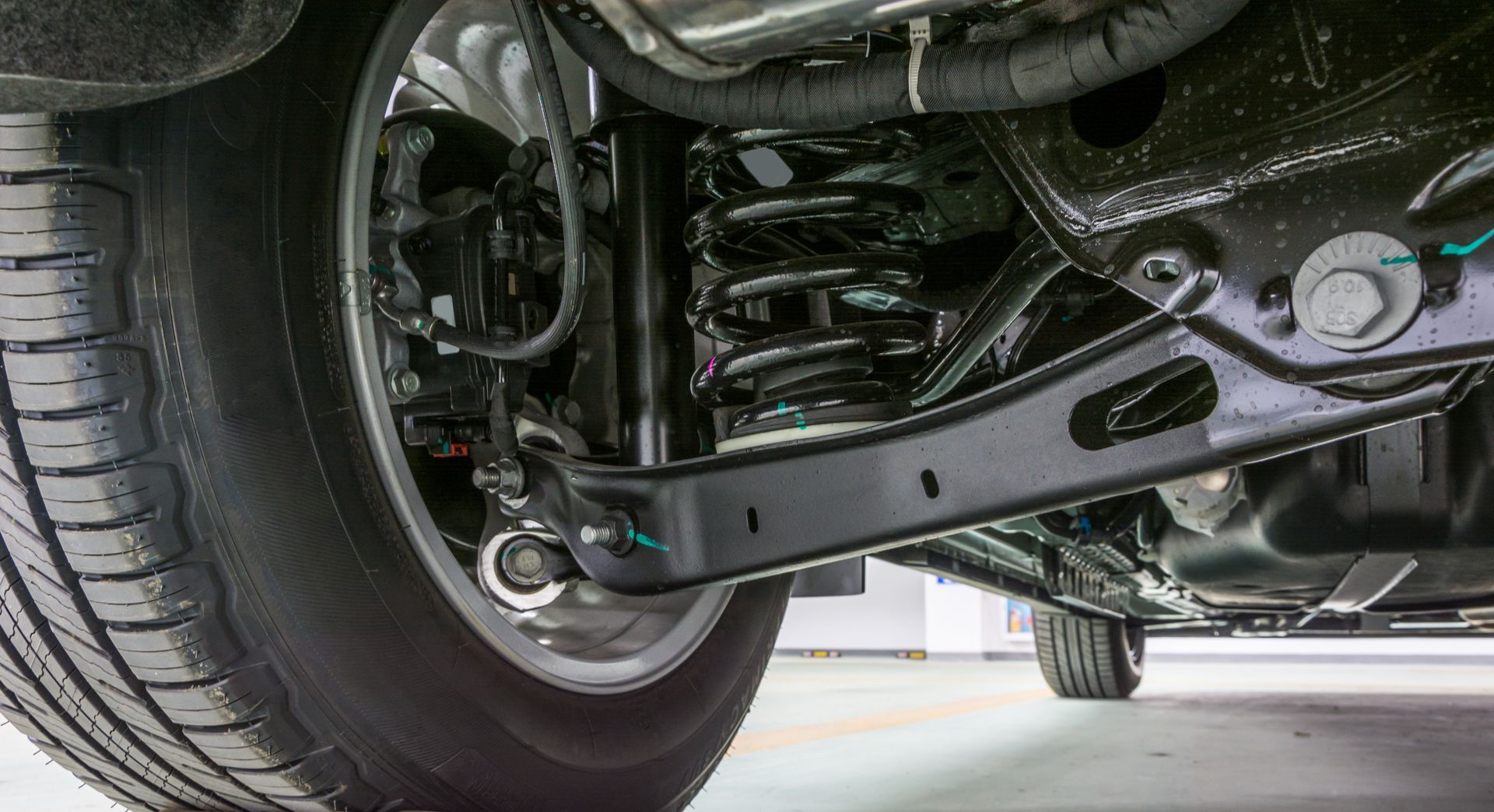
Brake squeal, grinding, a steering pull, or a clunk over bumps is not background noise. It’s the car telling you something is moving or wearing in a way it shouldn’t. Pads worn too far can ruin rotors, a dragging caliper can cook a wheel bearing, and loose steering parts can turn a simple repair into a bigger, messier one.
Suspension issues also affect tire wear and braking stability, so ignoring them spreads the damage. If the brake pedal starts pulsing, the steering wheel shakes under braking, or the vehicle feels bouncy on the highway, don’t wait for it to get dramatic. Fixing it earlier is almost always cheaper.
5. Dismissing Warning Lights And Quick-Fix Scans
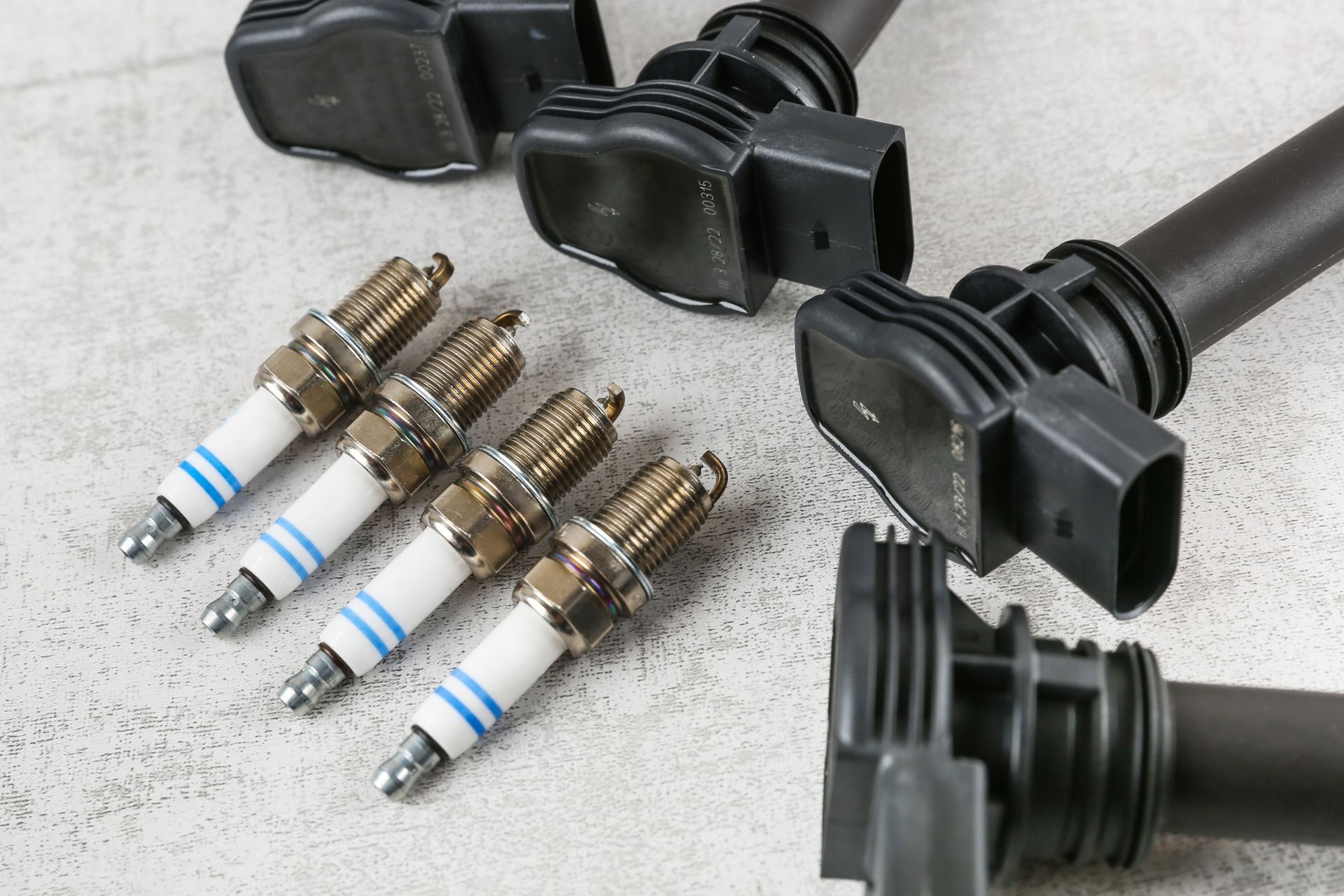
A check engine light turning on is the computer flagging a fault it can’t correct on its own. Sometimes the cause is minor, but ignoring it can lead to bigger problems, especially if the engine is misfiring or running lean. Misfires can damage the catalytic converter, and a small air leak can turn into drivability problems as it grows.
Reading code is useful, but code is a clue, not a conclusion. An inspection that looks at live data and confirms the root cause is what prevents part-swapping and repeat visits. If the light is flashing, stop driving and get it checked, because flashing usually indicates a misfire severe enough to risk damage.
6. DIY Shortcuts: Filters, Fluids, And Jump-Starts
Some DIY work is great, but shortcuts are what get people in trouble. Here are three mistakes that cause headaches more often than drivers expect.
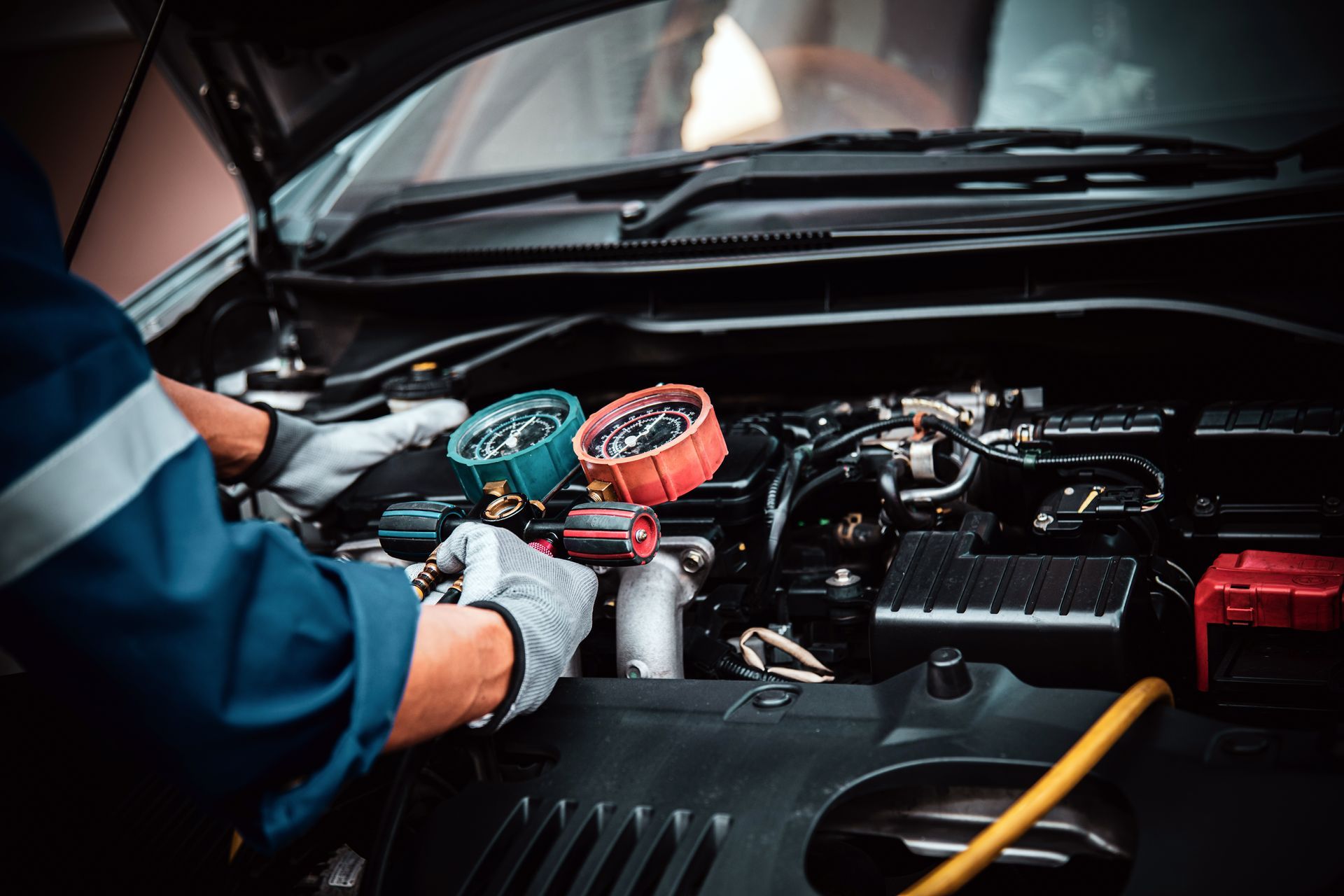
- Skipping the correct fluid spec or mixing fluids can create shifting issues, overheating, seal damage, or brake problems that show up weeks later.
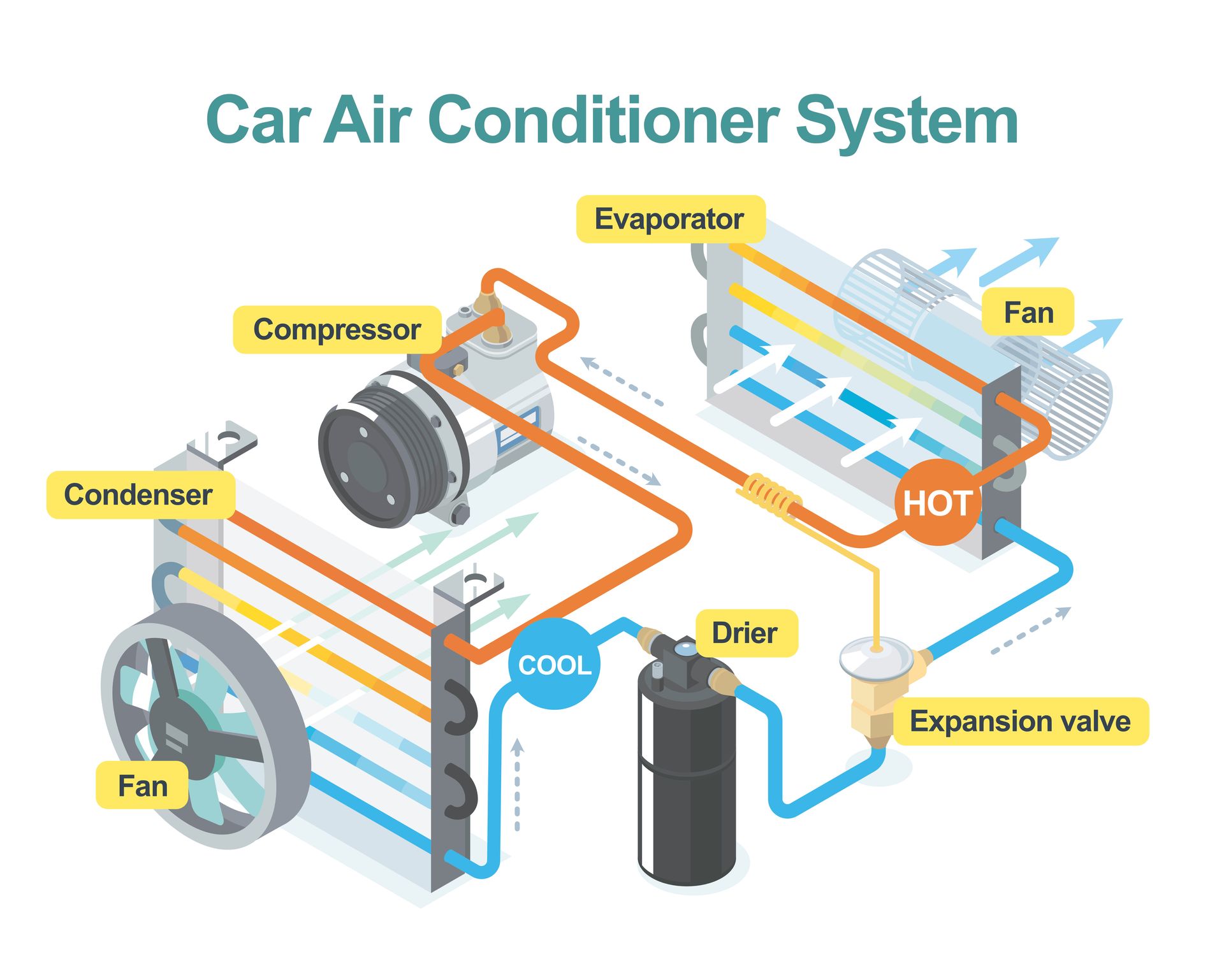
- Ignoring air filters and cabin filters restricts airflow, makes HVAC work harder, and can hurt performance on some engines when the intake side is neglected.
- Jump-starting backwards, using weak connections, or repeatedly boosting a dying battery can damage sensitive electronics and leave you chasing random electrical glitches.
If you’re not sure about a fluid type, torque spec, or procedure, pause and verify it. Doing the job twice costs more than doing it carefully once.
Get Car Care Help In Santa Clarita, CA With Power Automotive
If you want your car to last, the best move is to catch small issues before they spread to the tires, brakes, cooling system, or the engine. Schedule service with Power Automotive in Santa Clarita, CA, when you want the causes confirmed and the fixes handled cleanly the first time.
Keep the car dependable instead of gambling on another week.