A car that feels bouncy or unstable can catch your attention pretty quickly. The ride may feel loose over bumps, the vehicle might sway more than it used to, or it just does not feel as planted on the road. Some drivers describe it as floating, especially at higher speeds.
Those changes usually point to wear in the suspension system. The car is still drivable, but it is no longer controlling movement the way it should.
Worn Shocks Or Struts Are A Leading Cause
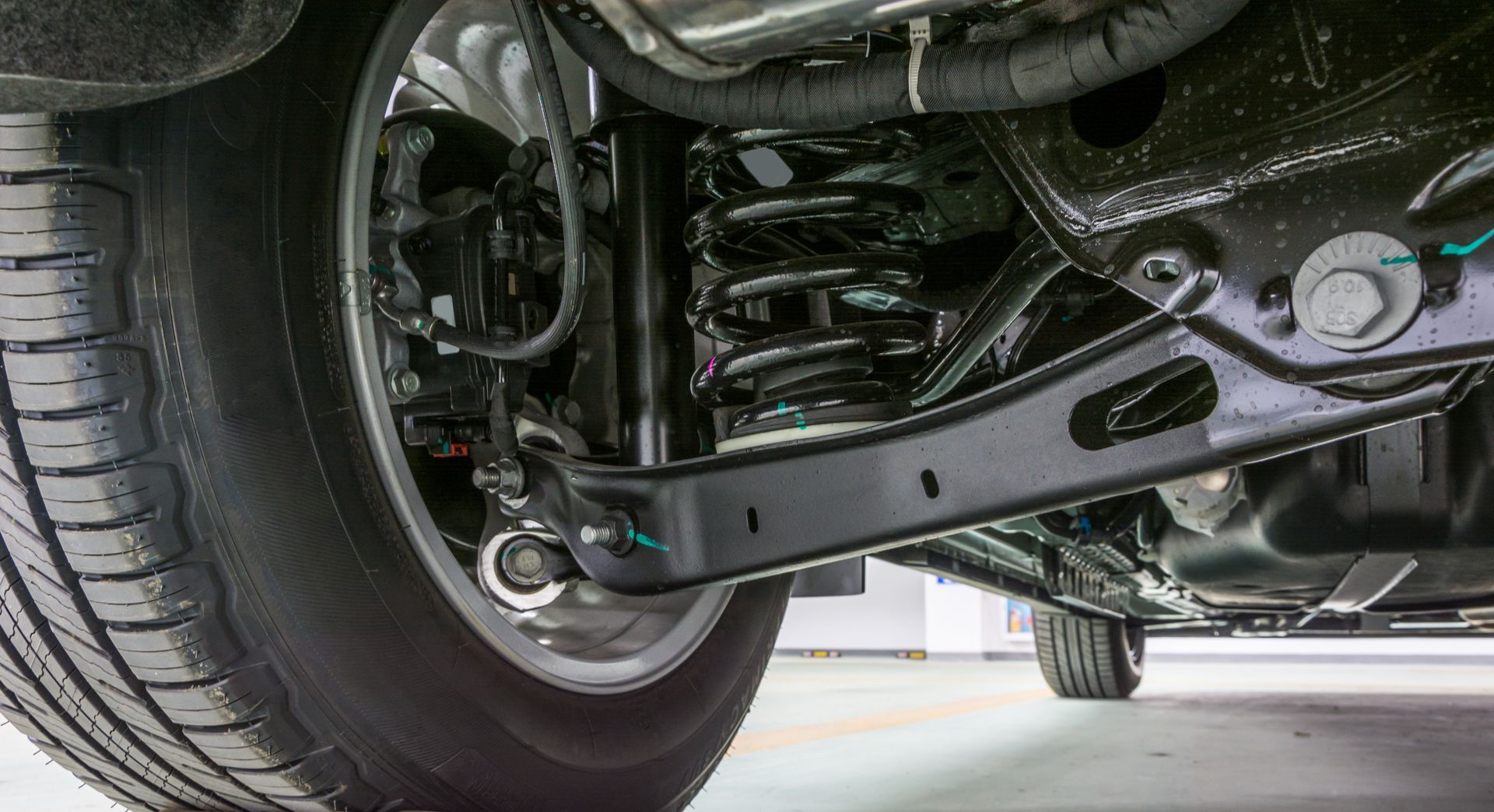
Shocks and struts are designed to control how your vehicle reacts to bumps and dips in the road. When they wear out, the car loses that control. Instead of absorbing movement and settling quickly, it continues to bounce.
You may notice the car takes longer to stabilize after hitting a bump or dips more when braking. That is a clear sign that those components are no longer performing their intended function effectively.
Suspension Components Wear Over Time
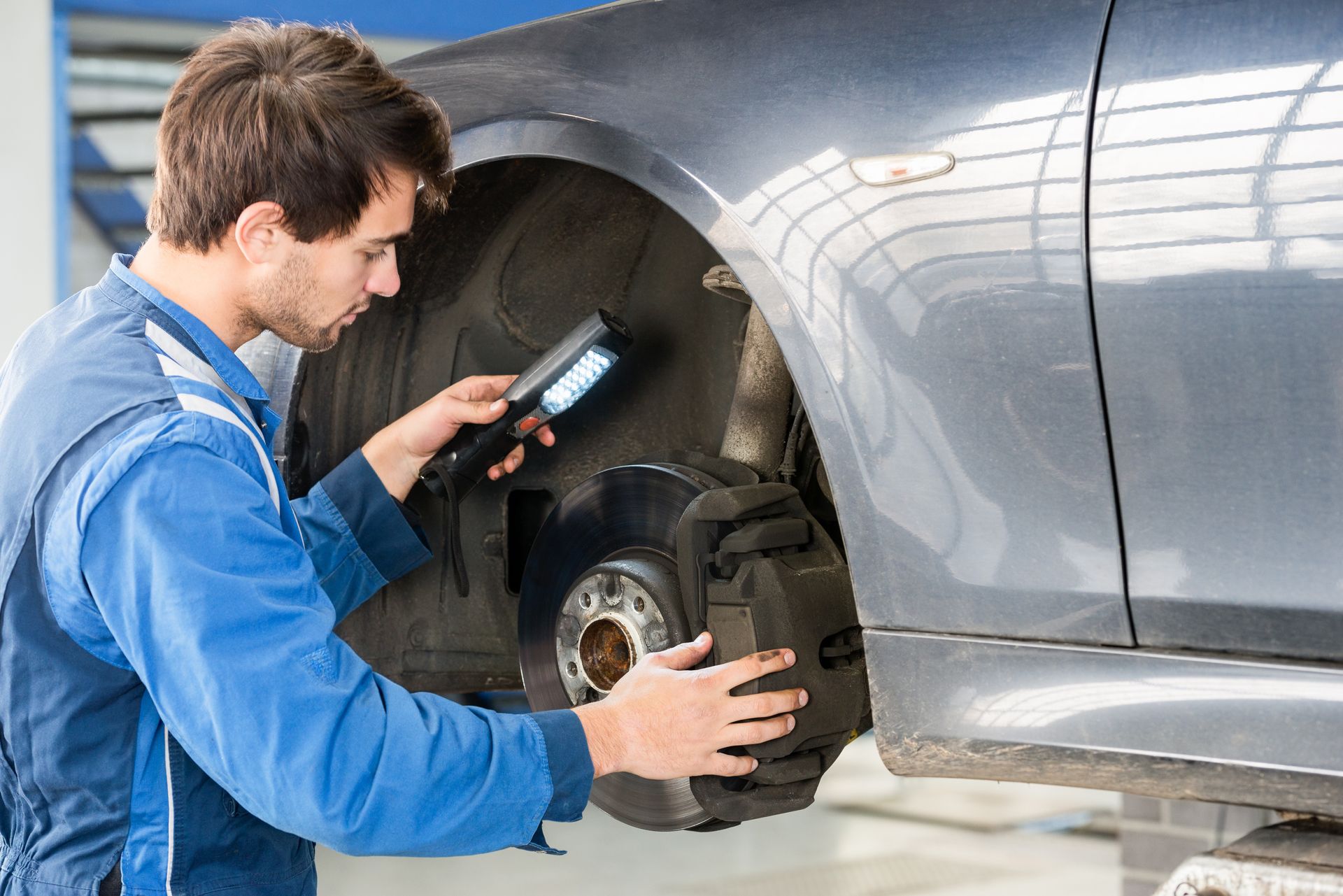
The suspension system includes more than just shocks and struts. Bushings, control arms, sway bar links, and mounts all play a role in keeping the vehicle stable.
As these parts wear, they allow extra movement. That looseness shows up as instability, especially during turns or on uneven roads. An inspection can help identify which components are contributing to the problem.
Tire Issues Can Make The Ride Feel Unstable
Tires affect how the vehicle feels on the road more than many drivers expect. Uneven wear, improper inflation, or internal tire damage can create a bouncy or unsettled ride.
Low tire pressure, in particular, allows more sidewall flex, which can make the car feel less controlled. Checking tire condition is always part of understanding ride quality issues.
Alignment Problems Add To The Feeling
Alignment keeps the wheels aligned so the car tracks straight and stays stable. When alignment is off, the vehicle may feel unpredictable, especially over bumps or during braking.
While alignment alone may not cause a bouncing sensation, it can make existing suspension issues more noticeable.
Why The Problem Gets Worse Over Time
Suspension wear rarely stays in one place. Once one component begins to fail, others start to take on more stress. That leads to faster wear and more noticeable changes in how the car drives.
What starts as a slightly bouncy ride can turn into a much looser, less controlled feel if left alone. Addressing the issue early helps keep repairs more focused.
How It Affects Safety And Control
A bouncy or unstable car not only affects comfort but also safety. It also affects how well the tires stay in contact with the road. Less contact means reduced traction, especially during braking or cornering.
That can increase stopping distance and make the vehicle harder to control in sudden situations. Keeping the suspension in good condition helps maintain stability and predictability.
How Regular Maintenance Helps Prevent Suspension Issues
Regular maintenance includes checking suspension components for wear and ensuring everything is working as it should. An inspection can catch early signs before they become more noticeable.
Keeping up with service also helps protect tires from uneven wear and extends the life of other suspension components.
When To Have Your Suspension Checked
If your car feels bouncy, unstable, or less controlled than it used to, it is time for an inspection. Changes in ride quality are one of the earliest signs that something needs attention.
Even if the issue feels mild, it is worth checking before it worsens, as it can affect handling and safety.
Get Suspension Service In Santa Clarita, CA, With Power Automotive
If your vehicle feels bouncy or unstable while driving, Power Automotive in Santa Clarita, CA, can inspect your suspension system and help restore the control and stability your car should have.