Every time your car accelerates, brakes, and waits for the next opening, its systems repeat work that a steady highway drive handles differently. Over time, those repeated cycles show up in brake wear, fluid condition, and maintenance needs.
That doesn't mean a daily commute automatically sends your car to the repair shop every month. It means your maintenance schedule should reflect how you actually drive. If most of your miles around Santa Clarita involve queues, short trips, and slow movement, the odometer tells only part of the story.
Stop-and-Go Traffic Uses Your Brakes More Often
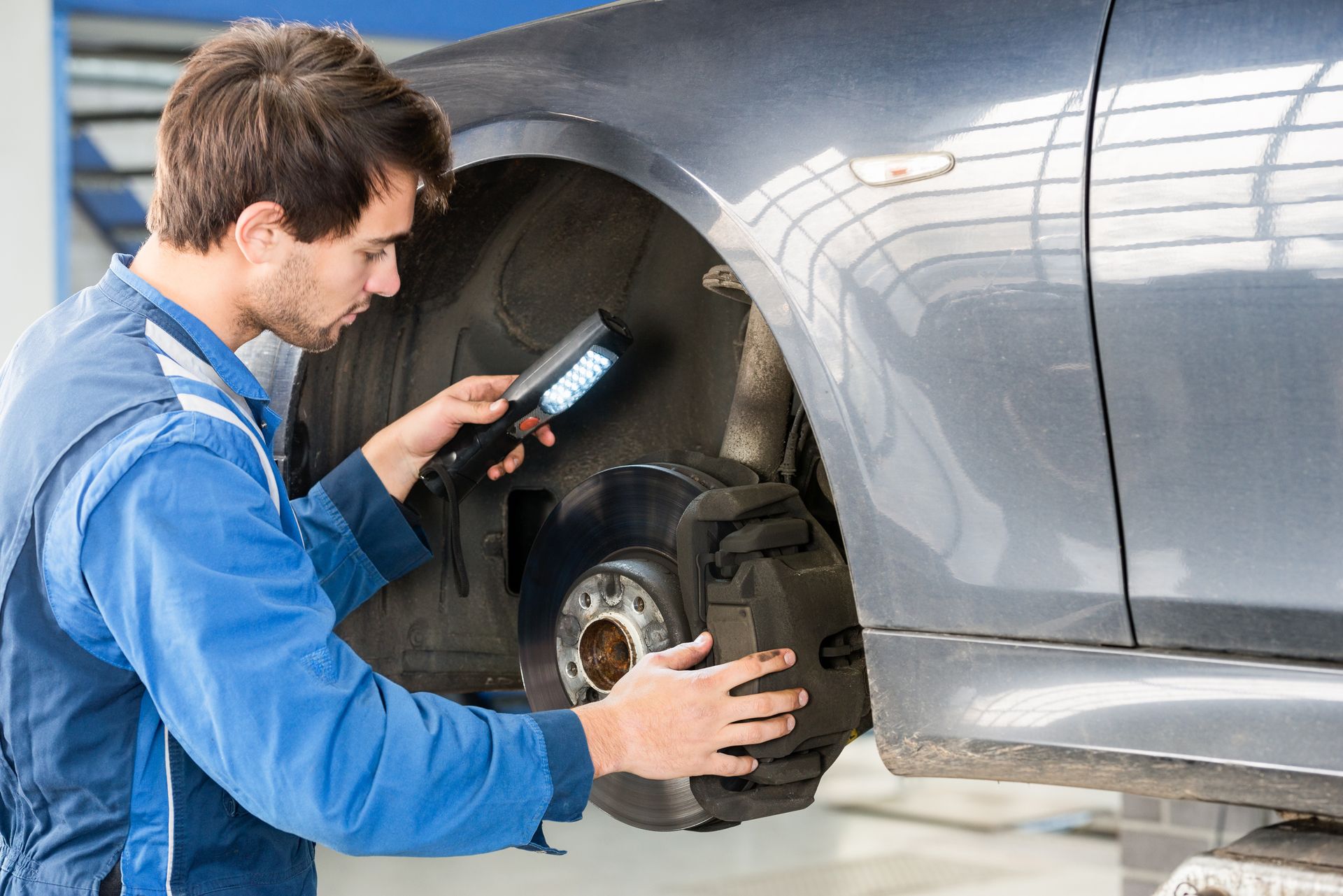
Brakes turn the energy of a moving vehicle into heat. In congestion, they do that job over and over, even when the car never reaches highway speed. Pads gradually lose friction material as they contact the rotors. Compare 10 miles on an open highway with 10 miles of stoplights. The distance matches, but the number of braking events is completely different. Following too closely adds more abrupt stops and wastes the chance to slow gradually when traffic ahead starts to stack up.
Leave enough space to react smoothly. Your brakes still need regular inspections, including the inner pads that are harder to see through the wheels. New grinding, pulling, or a change in pedal feel calls for a brake check before the next commute.
Engine Oil Ages While Your Car Sits in Traffic
The engine keeps running while the odometer barely moves. Oil circulates through hot components during that time, picks up contaminants, and undergoes chemical changes. Mileage alone misses the hours spent idling.
Short trips add another complication. An engine that starts cold, drives a few blocks, and shuts down repeatedly exposes its oil to different conditions from one that stays fully warm during a longer drive. Moisture and fuel contamination are reasons to review the manufacturer's instructions for frequent short-trip use.
Follow both the mileage and time requirements for your vehicle. If the manual includes a severe-service schedule that matches your driving, use it. Synthetic oil still needs the correct approval and interval; the word on the bottle doesn't give every engine the same schedule.
Cooling Systems Work Harder at Low Road Speeds
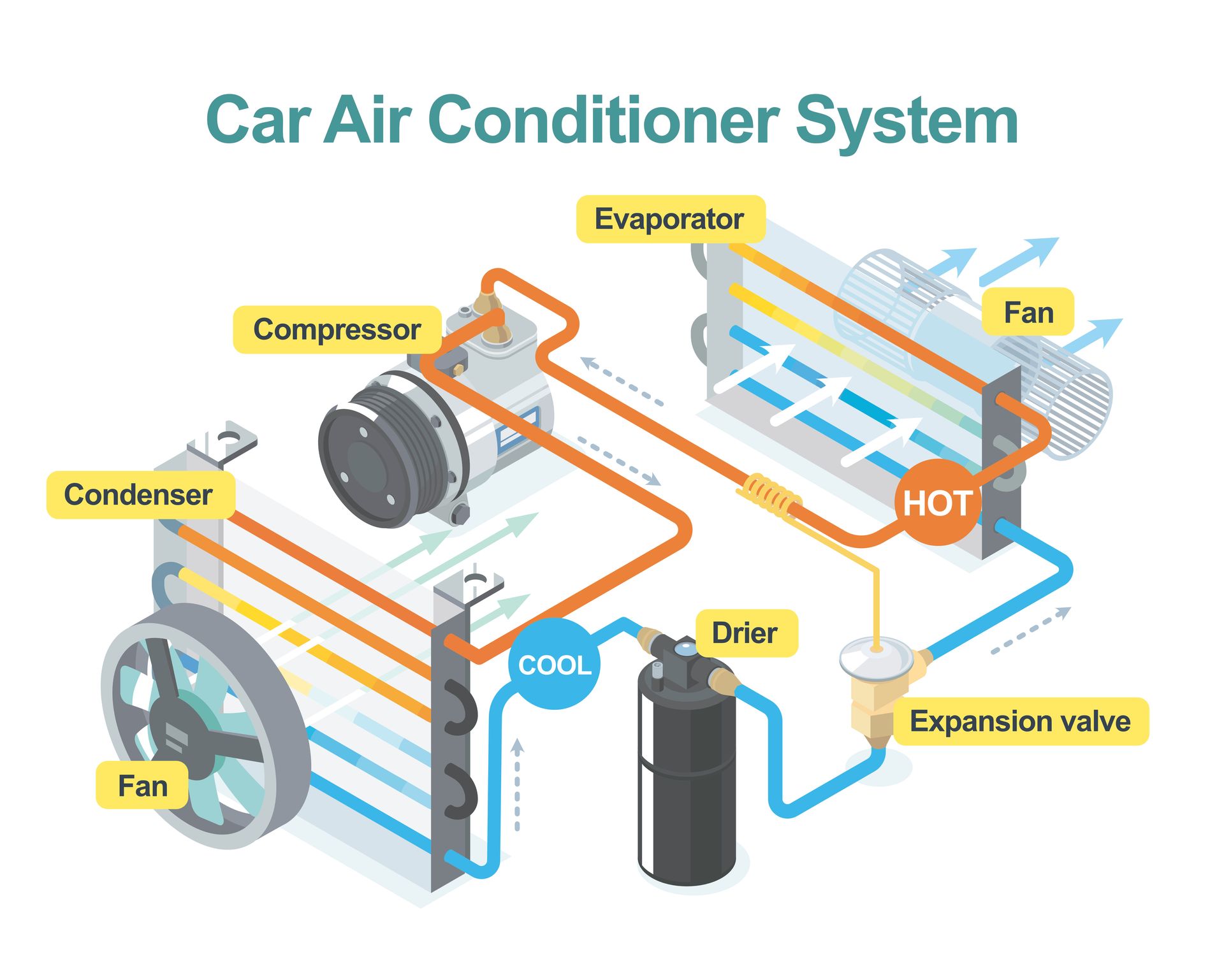
At highway speed, air moves through the radiator as the car travels. In slow traffic, the cooling fans take on more of that job. The system depends on working fans, clear airflow, sound hoses, and the correct coolant level.
A problem that seems invisible on an open road often becomes noticeable in a queue. For example, a faulty fan reduces airflow when the car stops. A coolant leak reduces the amount available to carry heat away from the engine.
Watch the temperature warning and respond promptly if it appears. Pull over safely and shut down an overheating engine. Opening a hot coolant cap risks serious burns, so leave the system closed until it has cooled and arrange help when needed.
Automatic Transmission Use Changes in Heavy Traffic
Repeated starts require the transmission to move the vehicle away from a stop again and again. Depending on its design, that involves a torque converter, clutches, and hydraulic controls working under different conditions from steady cruising. Heat becomes a greater concern with heavy loads, towing, or a cooling problem. If a transmission hesitates when engaging, slips during acceleration, or shifts harshly, it needs testing. Repeatedly driving through those symptoms adds stress while the original fault remains.
Use the maintenance instructions for the exact transmission. Fluid type, service method, and the recommended interval vary. A generic flush package isn't a substitute for checking what the manufacturer requires and why the vehicle is showing a symptom.
Traffic Maintenance Checks to Discuss at Your Next Visit
Bring up these areas when planning service for a car used mainly in congestion:
- Brake pad thickness and rotor condition
- Engine oil interval for your actual driving
- Coolant level, leaks, and cooling-fan operation
- Transmission service requirements and shifting changes
- Battery condition and the length of your regular trips
- Tire pressure, tread wear, and alignment symptoms
Explain the commute, too. A car that spends an hour covering a short distance needs a different discussion from one that travels the same mileage in 15 minutes.
Short Trips Affect Battery Charging
Starting uses stored battery energy. The charging system replenishes it while the engine runs, but frequent short journeys, heavy electrical loads, and an aging battery sometimes leave less reserve for the next start.
Modern vehicles also manage charging in different ways. Battery condition and charging performance should be tested together when slow cranking or repeated jump-starts appear. Replacing a battery while leaving an electrical drain or charging fault unresolved can lead to another failure.
If your car starts more slowly after several days of short errands, mention that pattern. It gives the inspection a clear starting point.
Smooth Driving Helps Reduce Avoidable Wear
You don't need to redesign your life around traffic. Look farther ahead, ease off the accelerator early, and keep a steady gap when conditions allow. Avoid accelerating hard toward a queue that is already stopped.
Keep your foot off the brake pedal when you aren't braking. On vehicles with a manual transmission, holding the car on a slope with clutch slip adds heat and wear; use the brakes as directed in the owner's manual.
Maintenance records complete the picture. Save the dates and mileage for fluid service and brake measurements so you can track changes more easily. Small observations, such as a new vibration only after crawling through traffic, often help us reproduce a concern faster.
Auto Repair and Maintenance at Power Automotive
Power Automotive in Santa Clarita, CA, can review the maintenance your commute requires and inspect brakes, cooling, starting, and shifting concerns. Describe how the car is used and bring your service records so we can plan work around its condition.